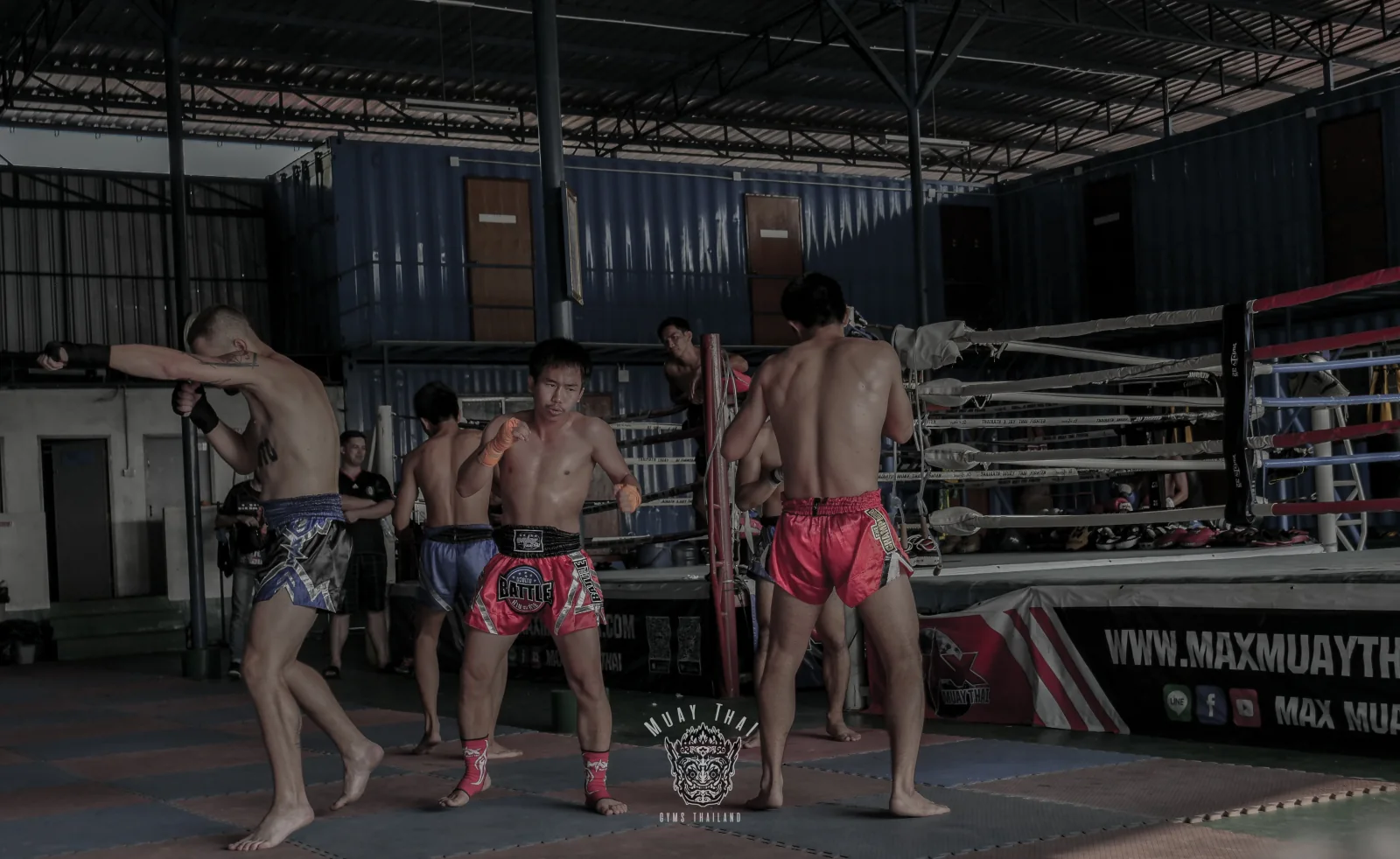
Booking the flight is only the beginning of the plan. You still need to cover the cost of the gym, a place to sleep, food, transport, and enough money to pay the bills at home.
The first step is to decide what kind of trip you want before you start comparing packages. A holiday with a few classes and time to explore needs a different budget from a stay built around full-time training and fighting. There are also unexpected expenses like getting sick or injured, ripping your favorite shorts, and the laundry bill from training twice a day. Don't cheap out on this part; no one wants to clinch with the smelly guy in the gym — or worse, you don't want to be the reason staph starts in the gym.
Count more than the training fee
Leaving expenses out of the budget makes the trip look cheaper on paper. Those bills still need paying.
Start with these:
- Getting there: Flights, checked baggage, airport transfers, and any travel or visa paperwork that applies to you.
- Training: Group classes, private lessons, and equipment you need to buy or rent.
- Accommodation: Your room, utilities, and any deposit you need available, even if it is refundable.
- Daily spending: Meals, drinking water, laundry, phone data, and transport.
- Insurance and a reserve: Suitable cover and money for unexpected costs.
- Time outside the gym: Fight tickets, sightseeing, nights out, and anything else you want to do.
- Bills at home: Rent, loan payments, family expenses, and other payments that continue while you are away.
Keep your Thailand costs in baht, with a reference to your own currency, when comparing prices. I have a nasty habit of thinking 300 baht is OK, but when I convert it to USD it's now about $8.80, and now I'm not OK. Be sure to include any bank or payment fees. These sneaky charges will eat up your savings faster than you think. Check with your bank and credit card companies to find out how much they charge.
Know what the training fee covers
What does a month of training actually include?
Look at the number of classes, the days you can attend, and the length of the package. These published prices show why the details matter:
| Gym | Group training | Package length | Price in baht |
|---|---|---|---|
| Santai Muay Thai, San Kamphaeng, Chiang Mai | Two sessions per day, Monday to Saturday | One month | 11,000 |
| Sinbi Muay Thai, Phuket | One session per day, Monday to Saturday | Four weeks | 8,000 |
| Sinbi Muay Thai, Phuket | Two sessions per day, Monday to Saturday | Four weeks | 12,000 |
Prices checked: November 26, 2026. Sources: Santai Muay Thai and Sinbi Muay Thai official training price pages. These prices cover training only. Confirm the exact dates a package covers before paying — Sinbi defines its month as four weeks, and gyms do not all count the same way.
Ask what private lessons cost. At Santai, a private lesson is 600 baht an hour for enrolled students and 800 baht for drop-ins, so a month of weekly privates is a real line in the budget, not a rounding error. If another package includes a room, compare it with booking training and accommodation separately. I've read some places offer equipment rental, and that is just gross to me. Just buy the equipment or bring the ones you have from home.
Choose a gym based on coaching, class level, atmosphere, and price. A famous name does not tell you whether you will enjoy training there. Try a class before paying for a long package if the booking terms allow it.
Look at the room and transport together
A cheaper room can leave you with sleepless nights and a messed-up back. Though sometimes I had the same experience with expensive rooms as well. So make sure to either read the reviews or check in person. You don't know how many times I went to check out a place, sat on the bed, and walked right out.
Plenty of gyms rent scooters, and the published prices give you a real number to budget with: Santai charges 200 baht a day or 2,500 baht a month. Price your own transport using actual figures like those, rather than a guess. In my opinion, skip the scooter rental. It is not worth it for many reasons, including the high number of injuries involving inexperienced drivers; at best, it will cost you a couple of weeks of training. Worst-case scenario, someone is calling your loved ones to pay shipping to send you back in a box. I will dive into this more in a different article.
A room within walking distance deserves a place in the comparison; walking also offers the benefits of taking things a bit slower, meeting locals, and stumbling into places you would otherwise have missed. Make sure to ask about electricity, water, cleaning, deposits, and cancellation terms too; you need the cost of every possible scenario.
Do not treat a rented scooter as guaranteed savings. Before riding, check that you have the appropriate license, any required international driving permit, a helmet, and insurance that covers the activity. But to be honest, even if you have all that, it won't stop you from getting stopped and shaken down for 500 baht.
Budget for the way you will actually live
Meals, water, laundry, phone data, hygiene supplies, unexpected pharmacy trips, and the occasional night out all need a place in the budget. Check menus and shops near the gym before settling on a daily allowance.
Budget for laundry, especially if you’re training twice a day. Thailand is hot and humid, and you’re going to sweat buckets. At one of the gyms I trained at, we had a staph outbreak that spread like wildfire. The first case I knew about was the guy who smelled bad, and then other people started getting it. This is why I take gym hygiene seriously. Don’t cheap out on clean training clothes.
Compare local restaurants and markets with other nearby options. Use the prices you find. A cheap meal someone mentioned online tells you very little about what you will spend across a whole trip. Not everyone has the stomach to eat locally. I remember training with someone on my very first trip to Thailand. That guy had diarrhea every 3 days. He even got it from Sizzler.
Trying to keep costs down? Bring usable gear you already own, and include anything you still need to buy. There is no reason to buy another pair of gloves just because you are booking a flight. That being said, if you are planning to train seriously for 6 months and do the double sessions every day, leave some budget to replace gear that will eventually fall apart.
Leave money for the things you want to do outside training. If watching fights or visiting another town matters to you, put it in the budget. Also, please budget for recovery: massages, saunas, ice packs, compression sleeves, and pain-relieving ointment. Pretending you will be fine and that you will spend the entire trip in the gym will not help you plan a realistic trip.
Price the insurance before you book
Muay Thai cover can depend on what you will be doing. Give the insurer specifics: pad work, sparring, and any fights you plan to take. Ask what the policy covers and whether you need extra cover.
Listen, I know not everyone wants to think about this part, but it's something that should be taken very seriously. On my first trip out here in 2013, in my first fight, I got split open by a nasty elbow. My coaches later told me that the blood had sprayed everywhere. I got a ringside physician to stitch me up, but my gym at that time urged me to go to the hospital. But I had run out of money; luckily, you can go into a pharmacy here, and the pharmacist gave me some antibiotics and other things to make sure I healed up.
On my 3rd trip out, I got into a motorcycle accident. Luckily, the bike was in my girlfriend's name at the time, and we had insurance; the emergency room visit and stay only cost me 2,000 baht out of pocket. But if it wasn't… Oh man.
On my current excursion back to Chiang Mai, I double-checked the fine print on my insurance. Unfortunately, the travel policy I bought excludes contact sports entirely, which would have left training uncovered if I had not read the wording before relying on it. Luckily, I am just visiting family and friends, and I don't have the time or budget to train on this trip. But finding out at the hospital desk that my insurance doesn't cover me is not how I want to learn about coverage, and neither should you.
Read the terms for your country of residence and the exact policy you are buying. Check medical treatment, evacuation, exclusions, and the amount you would have to pay out of pocket on a claim. If the activity wording is unclear, get written clarification before paying.
Keep an emergency reserve separate from your ordinary spending money. Think about the costs that could disrupt the trip, such as a flight change, extra accommodation, or an unexpected medical expense. Choose an amount based on your circumstances and insurance terms.
A weekend away and a new pair of shorts belong in the regular budget. Leave the reserve alone.
Pay for training you will use
This part is a mixed bag. I know many of you looking at this are probably only looking to train Muay Thai, but many just want to dabble. Some have been training for many years and don't want to stop their strength training program. This is why it's very important to think through and plan this trip properly. Are you coming out to learn technique? Weight loss? Plan to have a fight career in Thailand? Think out your goals properly.
Longer packages can lower the average training cost, as many Muay Thai gyms offer weekly and monthly options. They also mean more days of food, accommodation, and other expenses. Compare the full cost of each stay before deciding that the longer booking is better value.
Before committing to a longer stay, check the official entry and stay requirements for your passport and intended visit.
Keep track once you arrive
Use phone notes, a napkin, a notebook, or whatever — as long as you use it. Record your spending and check the total every few days. At minimum, check at least once a week. This can help you stay out of trouble.
Set aside the money for unpaid bills and your emergency reserve, then divide the remaining everyday spending money by the number of days left. If you are spending more than that allowance, look at what is causing it. Decide where to cut back while you still have options.
Start your planning with the Trip Budget Calculator. Add your costs at home, then confirm prices and booking terms directly with the gyms and accommodation you are considering. That gives you a savings target you can actually work toward, before you book anything.
Sources and price checks
- Santai Muay Thai official training prices — checked November 26, 2026.
- Sinbi Muay Thai official training prices and schedule — checked November 26, 2026.
- True Traveller activity cover and optional packs.
- JS Insurance martial arts training cover and competition exclusions.
- UK Government Thailand travel advice on driving and motorcycle hire.